The stage when the fire front arrives
Direct flame contact is the point at which the fire front itself reaches a property — flames touching structures, vegetation, stored equipment or fuel. By this stage, ember attack and radiant heat have usually already done their work on anything vulnerable.
Direct flame contact is the least forgiving of the three exposure mechanisms. Flames generate intense heat, consume fuel quickly and move with the wind. What can be defended early often cannot be defended at this stage.
What direct flame contact does
When flames reach a structure or object, ignition is usually immediate and loss is rapid. Flame contact can consume attached decks, vegetation touching walls, stored fuel and equipment, and can enter a structure through any opening ember attack has already created.
For anyone on the property, this stage is not a working environment. It is the stage to be clear of — which is precisely why preparation is measured against this moment rather than during it.
Why preparation has to happen before this stage
Every meaningful wildfire preparation — clearing debris, creating separation, identifying and staging water, checking equipment, briefing people — only helps if it is complete before the fire front arrives. During flame contact there is no opportunity to stage equipment, find a water source or read an instruction sheet.
The realistic goals of preparedness are therefore set earlier in the sequence: give embers nothing to ignite, keep radiant heat exposure low, and make sure whatever water and equipment exists on the property is already positioned and ready while conditions still allow it.
Where staged systems fit
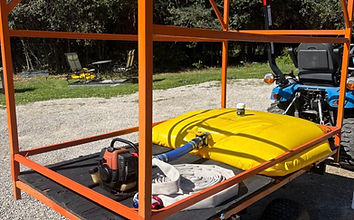
A staged response system is not intended to outfight a fire front. Its role is in the stages before: supplying water for wet-downs, protecting ignition points, maintaining sprinkler coverage and keeping a response capability in place while emergency services are contacted and while conditions allow safe use.
That framing — preparation, not intervention — is what makes a prepared property meaningfully different from an unprepared one.