How a fire starts and grows
A wildfire needs three things at once: heat, fuel and oxygen. Remove any one and the fire cannot continue — which is why almost every preparedness measure, from clearing debris to applying water, is aimed at removing heat or fuel.
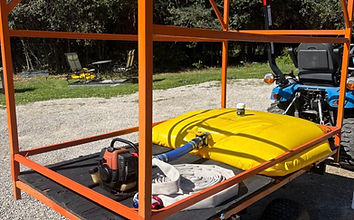
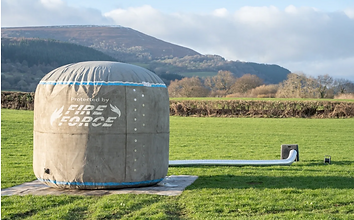
Most wildfires begin with either a natural ignition such as lightning or a human-related one: equipment sparks, powerlines, discarded smoking materials or an unattended burn. In their earliest stage these fires are usually small, low to the ground and moving slowly — which is also the stage at which preparedness, early detection and a staged water source make the biggest difference.
Surface fire, crown fire and spotting
As a fire grows it typically moves through recognizable stages.
A surface fire burns low vegetation, ground fuels and debris. It may be slow-moving in moist conditions or fast-moving in dry, windy ones.
A crown fire climbs into treetops, where wind can carry it far faster than any ground fire. Crown fires throw large volumes of burning material into the air.
Spotting occurs when that burning material — embers — lands ahead of the main fire front and starts new fires. Spotting is how a wildfire can seemingly jump roads, rivers and cleared areas, and it is the reason properties can ignite well before the main flame front ever reaches them.
The factors that drive fire behaviour
Fire behaviour is never random. It is driven by conditions that can be observed and, to a degree, prepared for.
- Fuel: the type, amount and dryness of vegetation, debris and structures available to burn.
- Weather: wind speed and direction, temperature and humidity — wind is the single most influential factor.
- Terrain: fire moves faster uphill, and chimneys, valleys and slopes can channel wind and heat.
- Fuel continuity: whether fuels are connected in a continuous path, or broken by driveways, fields, gravel or water.
What this means for structures, properties and remote sites
A structure is rarely lost to a single mechanism. It is usually a sequence: embers arrive first and try to find a weakness, radiant heat pre-heats nearby materials, and direct flame contact finishes what the earlier stages started.
The practical conclusion is the same for a rural property, a remote worksite or an industrial site: the time to prepare is while conditions allow it — water identified and staged, equipment accessible, and people clear on the plan. The other guides in this resource center walk through each of those exposure stages, and what can realistically be done about them.